The fundamentals of
architectural projects
Exploring modern and contemporary architecture
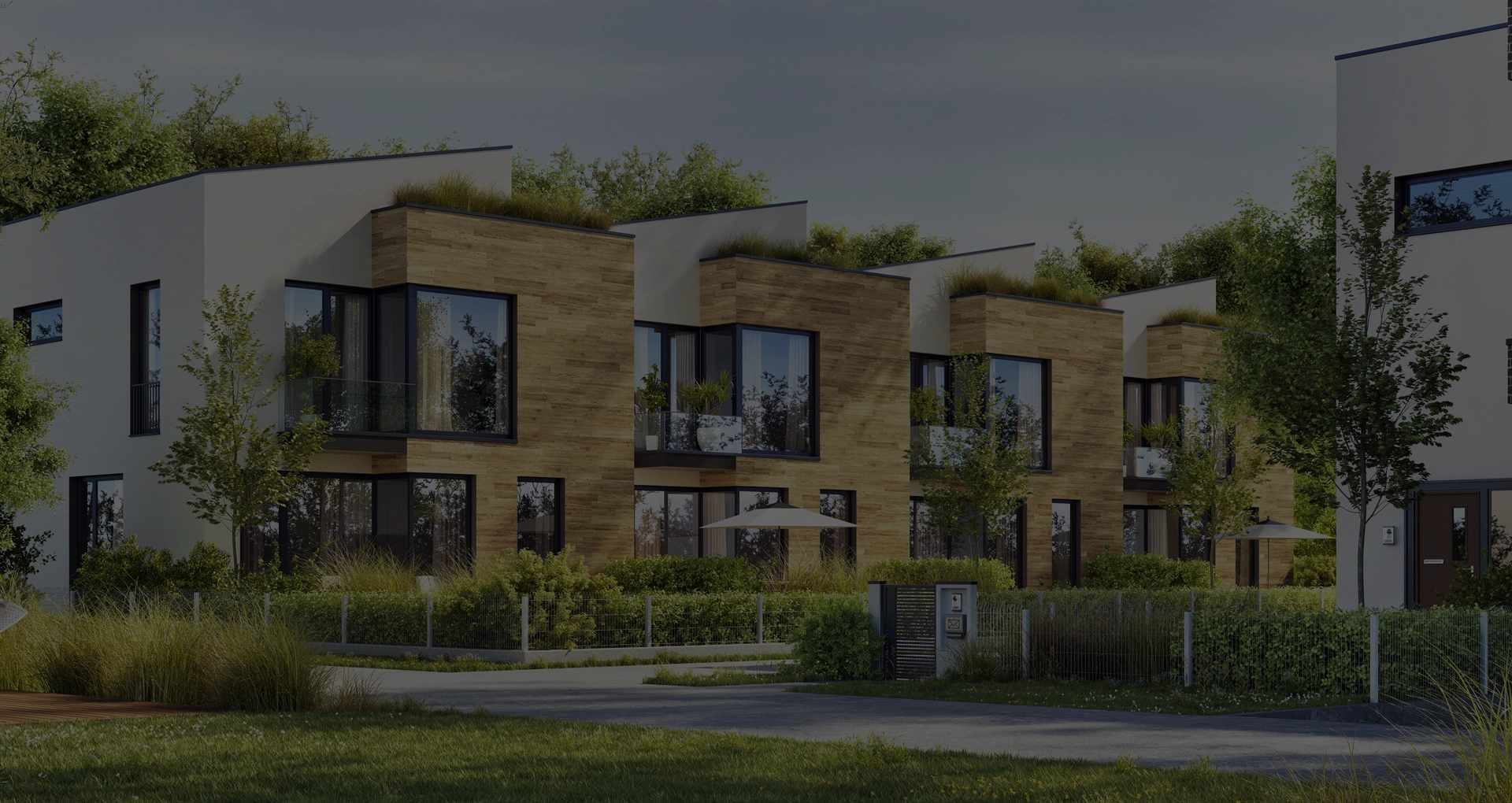
Clean lines and expansive glass facades define contemporary architectural aesthetics, allowing natural light to penetrate deep into interior spaces and shape their atmosphere. Free-flowing floor plans replace rigid spatial divisions, facilitating continuous circulation and visual connections throughout the building. Builders prioritize structural honesty, stripping away superficial ornamentation to emphasize the material expression of exposed steel frameworks and smooth cast concrete support columns.
Geometric volumes intersect to form dynamic silhouettes against the sky, using mass, void and proportion to challenge traditional perceptions of weight and balance. Cantilevered sections project outward without visible support, generating shaded pedestrian zones while extending usable floor area beyond the main structural envelope. The integration of flat roofs provides additional functional surfaces, often transformed into elevated terraces that extend living or working areas outdoors while maximizing the usable footprint of the overall property line.
Principles for sustainable ecological architecture

Green living roofs
Cultivated vegetative layers installed over waterproof membranes provide effective thermal insulation while protecting the roof assembly from temperature fluctuations. These elevated gardens retain stormwater, mitigate the urban heat island effect, and establish vital micro-habitats for local bird and insect populations.

Renewable material integration
Sourcing fast-growing bamboo and reclaimed timber can reduce the embodied carbon footprint associated with conventional construction materials. These renewable and recovered materials bring natural warmth to structural frameworks while supporting more responsible management of finite forest resources.

Photovoltaic energy generation
Thin-film solar cells embedded within facade panels convert daily solar radiation into on-site renewable electricity as part of the building envelope. This localized power production can offset operational energy demand, pushing structures closer to energy independence and improved building energy efficiency.

Passive solar heating
Strategic southern orientation of expansive glazed surfaces supports passive solar heating by capturing winter sunlight and storing thermal energy within high-density concrete floors. This stored warmth gradually releases during colder evening hours, reducing heating demand and reliance on mechanical systems.

Natural ventilation pathways
Cross-breeze channels integrated into the building geometry support natural ventilation and continuous indoor air circulation. Operable clerestory windows draw warm air upward and outward through stack-effect ventilation, maintaining comfortable indoor temperatures while reducing reliance on energy-intensive air conditioning systems.

Rainwater harvesting systems
Rainwater harvesting systems use integrated roof catchments to channel precipitation into subterranean filtration tanks for storage and reuse. This collected water supplies irrigation networks for surrounding landscaping and can serve appropriate non-potable sanitary uses, significantly reducing overall dependence on municipal water supplies.
Harmonizing spatial flow through intelligent interior design
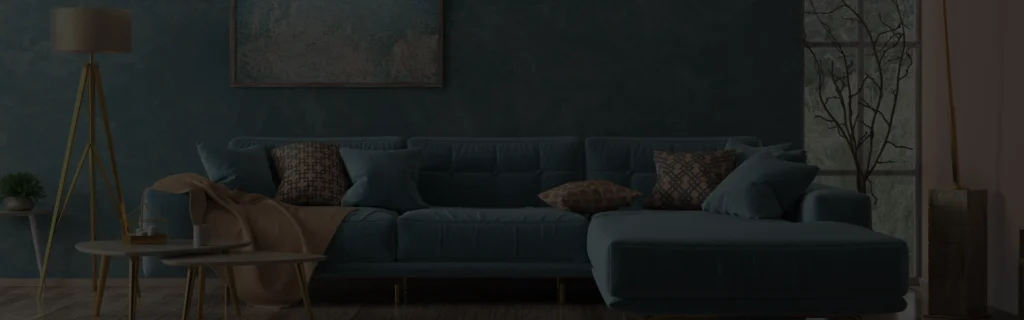
Harmonizing spatial flow through intelligent interior design involves creating environments where circulation, function and aesthetics operate as a coherent spatial system. By thoughtfully organizing layouts, optimizing natural light, and balancing proportions, designers can guide movement and interaction within each space. Intelligent design also integrates adaptable furniture, visual continuity, and subtle transitions between zones to support changing uses without creating visual fragmentation. The result is an interior that feels cohesive, intuitive, and naturally aligned with human behavior, where every element contributes to functional efficiency, comfort and visual harmony.
Advancements in building construction materials
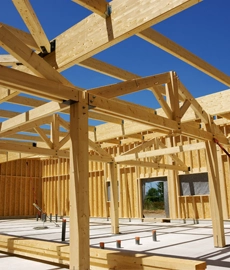
Engineered timber frameworks
Cross-laminated timber panels offer high structural strength while reducing the weight of major building components compared with many conventional systems. This lightweight alternative can accelerate prefabrication and on-site assembly while storing atmospheric carbon within the timber structure.
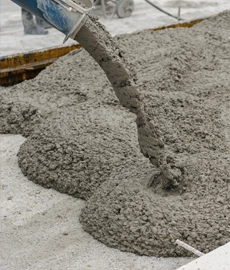
Self healing concrete
Self-healing concrete uses embedded limestone-producing bacteria that activate when water enters micro-fractures, helping seal cracks within foundations. This biological mechanism can limit water ingress and deterioration, extending the service life of critical load-bearing structural components.
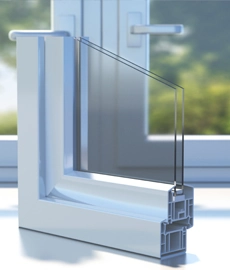
Dynamic smart glazing
Electrochromic windows actively adjust their tint based on external light intensity, controlling solar gain and daylight transmission through the glazing. This automated transition reduces glare and unwanted heat gain while lowering demand on cooling systems.
Aerogel insulation panels
Highly porous silica structures trap air molecules at a microscopic level, giving aerogel insulation panels strong insulating performance with minimal material thickness. These ultra-thin barriers substantially reduce thermal transfer, maximizing interior square footage while limiting heat loss through the building envelope.